Showing posts with label fuel economy. Show all posts

Tuesday, February 16, 2010

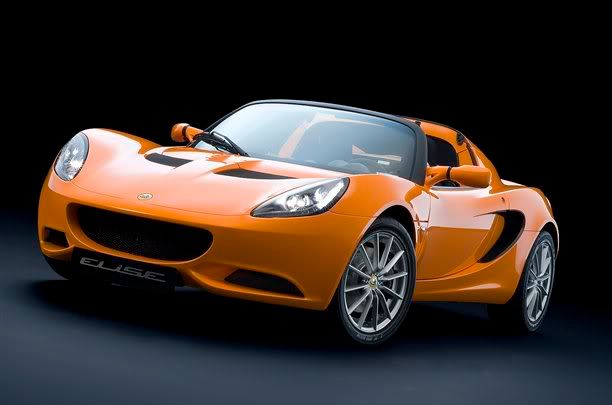
Facelifted Elise - lower drag, new engine

Autocar brings news that Lotus has given the Elise a mild facelift and some new mechanicals. The new look brings the car in line with the styling of the Evora, but importantly also reduces drag which, combined with the new engine option, improves fuel economy and reduces emissions.

That new engine is a VVTi Toyota powerplant similar to those currently used in the Elise, but in a new 1.6 litre displacement. The new motor will power the basic Elise S model, and reduces emissions to 155g/km of CO2. As a conservative estimate, fuel economy should be in the early forties mpg, yet coupled to a new close-ratio six-speed gearbox, performance even from the basic 1.6 should be as impressive as ever.

The car is expected to start arriving in showrooms in April.

(Image: Autocar)

Wednesday, November 4, 2009

The future of motor racing?... Or are we already there?

Since man invented the motor car, his primal instinct for excitement and speed has always compelled him to race it against the next man's motor car.

Never before though has there been such pressure for our favourite method of transportation to become less polluting and less energy consuming. The effects can already be seen in many race series where economical diesel race cars have been competing and indeed winning for years now, and where many motorsports are aiming to cut costs and cut their carbon emissions as they travel around the globe. Even in the high octane world of motor racing, every little helps.

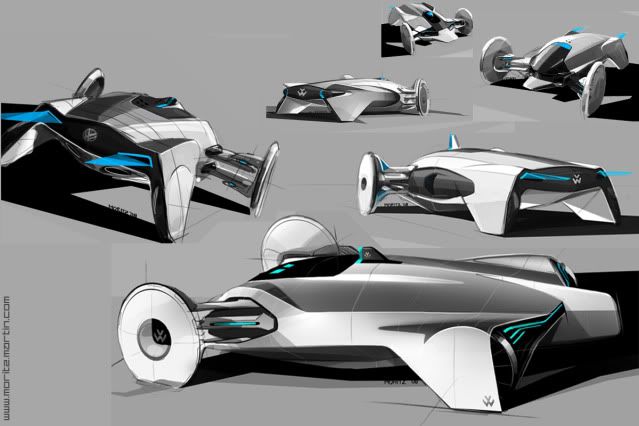
But what if we look further into the future? One man, Moritz Martin, has done just that with his concept for the futuristic 1 Liter Racing League. The concept is Mr Martin's degree project and is apparently inspired by "the insanity of Swamp Buggy, Land Speed Record races and the Eco Marathon". The idea is to use tactics and skill to finish the race on just a single litre of fuel. The driver's cause is aided by being able to skim the car across thin layers of water and other varied surfaces to use as little energy in movement as possible. The car can be aided in sliding by rear-wheel mounted air nozzles for "frictionless steering".

(Images: Moritz Martin)

It's a facinating concept, and one that looks a lot of fun. However... what if you want to take part in some eco-friendly racing here, and now? Your options are clearly a little limited - after all, motor racing is hardly the most eco-friendly sport in the world. That isn't to say though that it isn't possible - if you look hard enough.

Kei Car Racing

If you live in Japan, you've probably come across this already. Kei-Jidosha are Japan's answer to overcrowding on the roads, and thanks to their minimal proportions and even more miniscule engines (660cc and 63bhp is the current maximum limit), they're the perfect choice for low-consumption racing. There are series for Keis both old and newer, and of course you could always take one to an autocross event like this Daihatsu Copen on YouTube, where small proportions and low inertia do wonders for cornering ability.

Eco Marathons

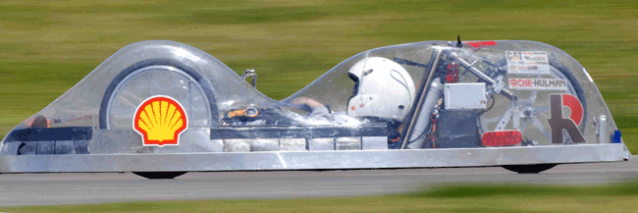
Events like the Shell Eco Marathon are growing in popularity all the time and the records for miserly fuel consumption tumble quicker than the times at a 100m race with Usain Bolt. The current World Record is a mind-boggling average of 10,705mpg, achieved by team Microjoule in 2003. Of course - these aren't really "cars" so much as tiny engines in composite cigars with a driver filling the rest of the available space - but it's still a race of sorts and like the 1 Liter Racing League aims to use as little fuel as possible over a set distance. And you can certainly do the race on a small budget too, even if the top teams spend a little more to achieve the figures they do. You could turn up with a lawnmower-powered soapbox racer if you wanted.

Citroën 2CV racing
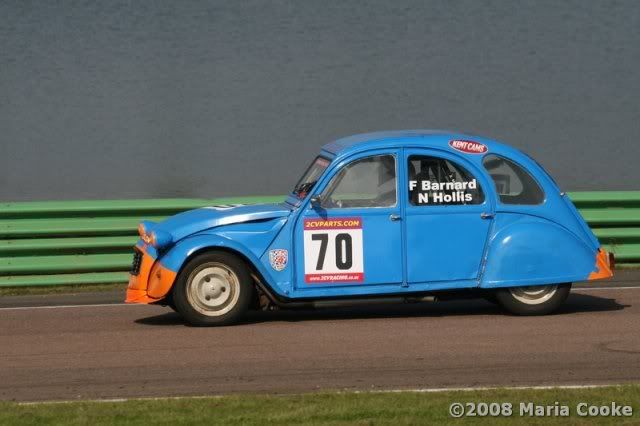
(Image: Maria Cooke @ 2cvracing.co.uk)

Perhaps a bit of a wild card, but even so, people do race the tree-hugger's wheels of choice and there are thriving race series for the little cars all over Europe - the UK Classic 2CV Racing Club has been around for over 20 years! The cars are cheap to buy, prepare and run, and with the weight of a feather in a helium updraught even the modest power from a tiny 600cc engine is able to provide plenty of fun without using a lot of fuel in the process. It's probably one of the cheapest and most economical circuit racing series in the World.

Okay - so none of the above are quite as high-tech as Mr Martin's concept, but they prove that even today you can take part in motor racing that doesn't break the bank, and doesn't pray too heavily on your environmental conscience...

My thanks to Mr Martin himself for his permission to use the 1 liter pictures. Tarmac wishes him the best of luck in his degree!

Wednesday, September 30, 2009

Most frugal car in the real world? Autocar finds out with a race...

Manufacturers make big claims about their fuel economy figures. Occasionally, even these claims can be bettered, as Toyota's now closed blog for the iQ managed back in January, extracting 72mpg when Toyota themselves only claimed 65mpg. Often though, real-world driving prevents us from extracting the optimum economy from our cars.

Autocar's test then perhaps sheds a little more relevance on achieving high miles to the gallon. Armed with a Ford Fiesta Econetic, a Vauxhall Corsa Ecoflex, an Insight, a Prius, a BMW 116d and a Smart ForTwo CDi, they each hit the track at Bruntingthorpe with a single litre of fuel and a driver trying to achieve as many miles in the hour as possible. By working to distance rather than outright economy, it avoided the whole race becoming a slow eco-trundle.

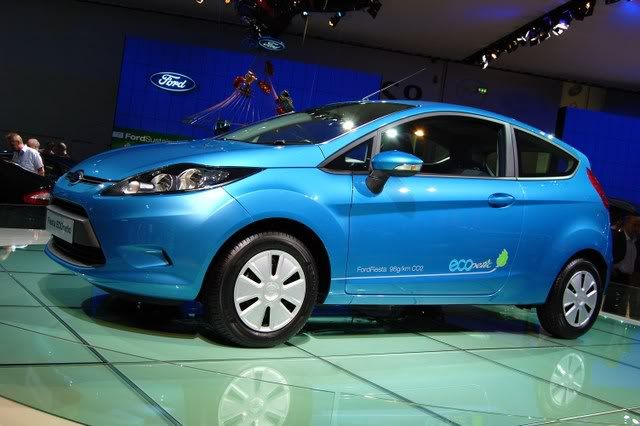
The most efficient at the end of the hour? Ford's Fiesta Econetic. It achieved almost sixty miles at the hands of Matt Prior, equivalent - unsurprisingly - to roughly 60mpg. A little way short of Ford's 76mpg combined figure perhaps, but much more representative of what drivers can expect in their daily grind, and a long way from shabby.

The other cars in the test all managed to average around 55mpg, including the diminutive Smart despite being driven pedal-to-the-metal until it spluttered to a halt after 53 minutes.

The full story can be found in the 30th September issue of Autocar, out now. Alternatively, you can watch the video:


(Picture credits: Tarmac)

Friday, September 11, 2009

Guerilla marketing for Alfa MiTo; New Multiair MiTo

Take a walk through Jesmond in Newcastle-upon-Tyne at the moment and your eyes might be drawn towards the pavement. Normally, it's nothing particularly special, but recently some rather unorthodox adverts for Alfa's MINI rival, the MiTo, have appeared on some of the paving slabs.

With Alfa's baby being aimed at the younger and more fashion-conscious types, these adverts in the affluent and student-heavy area of Jesmond are a great example of guerilla marketing. The images are created using a technique that involves cleaning an sandblasting the ground through a template. There are apparently 1300 similar adverts across the UK.
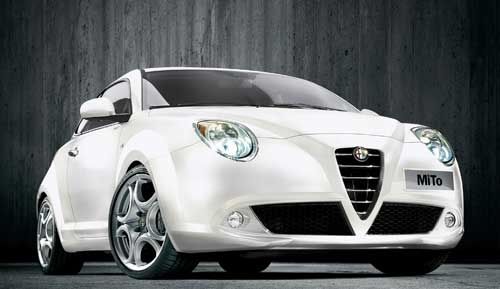
The pavement adverts also coincide with a first look, via What Car?, at the new MiTo Multiair, an ultra-clean and efficient MiTo using advanced 1.4 petrol engines. Instead of a conventional camshaft, the MultiAir engine uses a series of oil-fed solenoids which can precisely meter out fuel in any given situation. As well as improving economy by 10% and reducing NOx emissions by 60%, the system apparently improves throttle response and increases power and torque, especially at lower revs.
(Picture credits: Alfa Romeo and Tarmac)

Saturday, September 5, 2009

80mpg from diesel-powered first-gen Insight

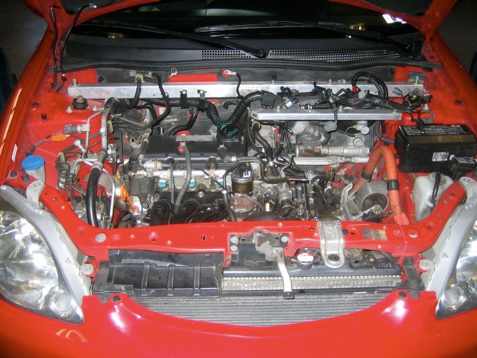
Yes, you read that correctly. AutoBlogGreen has released news that a company called Red Light Racing has installed Volkswagen's 1.2 litre, 3-cylinder Pumpe Düse TDI in a first-generation Honda Insight and the net result is 80mpg in US gallons - a staggering 96mpg imperial.

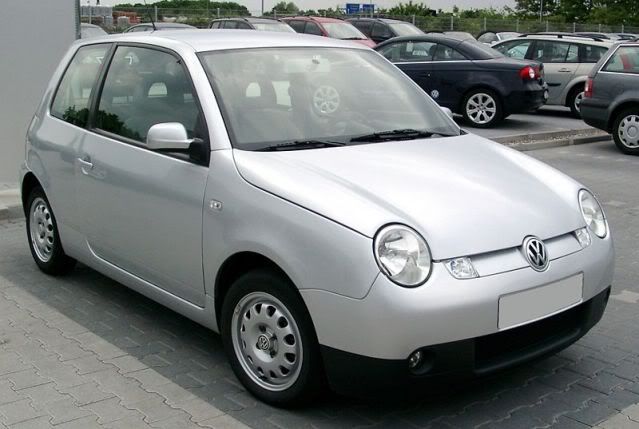
The engine has been taken from Volkswagen's Lupo 3L, a model that was only available in mainland Europe and itself made 94mpg imperial, equivalent to 3 litres/100km. The Lupo however was solely diesel-powered - and Red Light Racing state that they haven't even hooked up the Insight's hybrid motor to the diesel unit yet and once they do there could be another 15-20% improvement.

The Lupo 3L was highly modified from the standard Lupo TDI - like the Insight, it used aluminium in much of its construction, and also in common with the Insight it used low rolling-resistance tyres and a stop-start function to save fuel when stopped in traffic. The engine produces 61bhp and makes 140Nm of torque, which is 9bhp less than the Insight's 1.0 litre petrol IMA unit but a useful 27Nm more torque. Coincidentally, both Lupo 3L and Insight weigh in the region of 850kg, so the engine seems ideal for use in the Insight, though according to Red Light Racing the installation naturally wasn't too straightforward.

Diesel clatter aside, the new engine should provide very pleasant driving characteristics too. The final quote goes to Red Light Racing, clearly a company after Tarmac's heart: "The main idea was to take existing hardware, hack it, and make a vehicle that could be produced by major manufacturers or individuals that would deliver tremendous fuel economy without a tremendous leap in technology. I believe we succeeded."

(Image credits:
AutoBlogGreen and Wikipedia)

Sunday, May 3, 2009

Rhymes with "scrap"

A while back I wrote about the RAC's suggestion that cars over 18 years old should be scrapped. I was a bit worried about this, as a body such as the RAC is respected enough that even the government might listen to it on occasion. Since then I haven't heard anything further on that particular plan, but what you might well have noticed in the UK more recently is the government's plan to offer £2000 towards a brand new car if you're trading in one more than 10 years old. The ten year old car will then be scrapped - as naturally, it's going to be more polluting than something brand new. In theory.

As I pointed out in my last story, the figure that the government always goes on is the CO2 figure. A useful figure, undoubtably, and we all want to do our bit to reduce CO2. But then it's not really a relevant figure for judging anything, because it's more or less directly correlated to fuel consumption, a figure that we've been using as a yardstick for years. And lets not forget, we already get taxed according to how much fuel we use in a very natural way - the more fuel we put in our cars, the more we pay in tax. The current taxation based on CO2 is basically a second fuel tax, only less fairly applied as it's indiscriminate as to how much a car is used. It's perhaps unfair for a Ferrari owner who does 1000 miles a year to pay a vast amount on road tax, when someone in a "green" Prius might do 20,000 miles a year and pay nothing under the current rules.

Anyway, I digress - I should be talking about the new scrappage scheme. On the face of it, all appears well. You trade in your ten year old banger, and the government and the manufacturer each give you £1000 towards your new car.

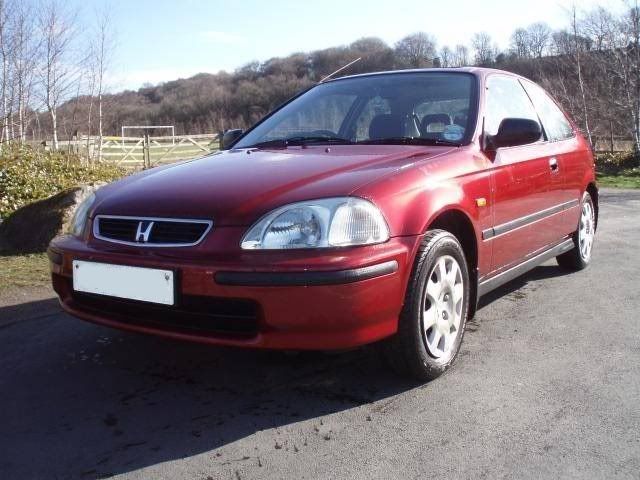
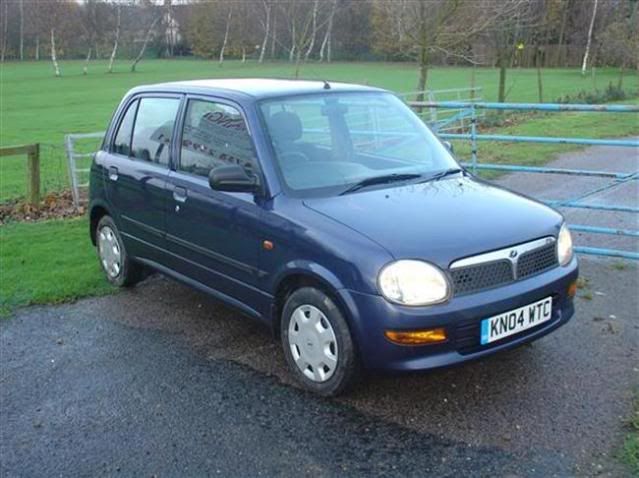
Anyone else spotted the deliberate mistake yet? If you're driving around in a £2000 "banger", what is the likelihood you're financially in a position to buy a brand new car, even with a couple of grand lining your pockets? The cheapest new car on sale in the UK at the moment is the Perodua Kelisa which starts at about £4600. Incredible value undoubtably but very possibly worse than virtually any ten year old car worth about £2000. I recently drove an 11 year old Honda Civic 1.5 VTEC, which uses lean burn technology to achieve a very respectable 44mpg on the combined cycle, and still offers good performance, unquestionable reliability and a large dealer network, yet second hand costs around a grand. Even if you were then loony enough to want to trade this in for a Kelisa, you'd still have to find an extra £2600 from somewhere. So you'd then take out a loan, which is exactly what put us in the economic mess we're currently facing in the first place.


Would you trade Civic for Kenari? Are you reading this from a padded cell? (Perodua image: Parker's)

And remember, that's if you wanted the very cheapest new car on sale. Unless you've been saving like a magpie for the last five years and are vaguely financially secure (and yet somehow still manage to have a 10+ year old car instead of a newish one anyway), then I really can't see how the cashback offer is going to benefit many people. The gulf is even greater if you want to trade that ten year old BMW compact for a shiny new 1-series (even with the additional £1260 BMW are offering on a 116i Sport), or even a rusty old Clio for a brand new airconditioned one that's safer than houses. Manufacturer participation is optional, and some have declined to take part reasoning that it will offer neither themselves nor their potential customers any benefit.

I only hope the sceme will be useful to those who really can benefit from it before the whole thing is declared a massive failure and pulled. Hopefully in the meantime it won't take too many of the good decade-old cars off the road like the Civic above, because for some of us, those are the cars we can actually afford.

If you do want to read more about the scrappage scheme, there's a useful FAQ here: http://www.ukscrappage.co.uk/

Thursday, March 12, 2009

The numbers have it: UK car CO2 emissions are falling fast

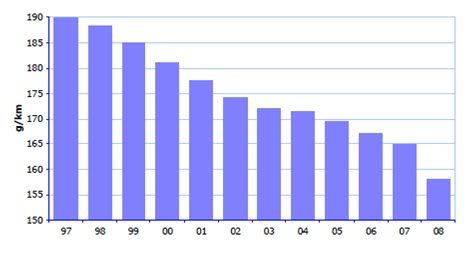
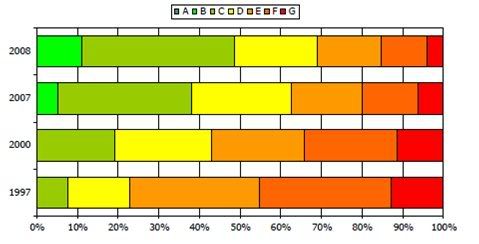
If ever there was a sign that times are tough and people are trading down to more efficient cars, it's the sharp reduction in the average CO2 emissions of cars sold in the UK from 2007 to 2008.

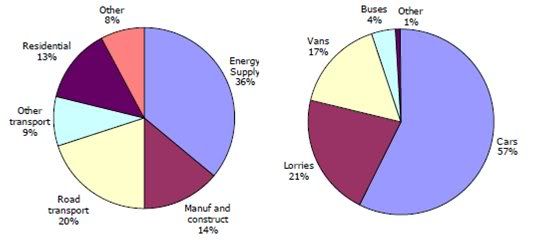
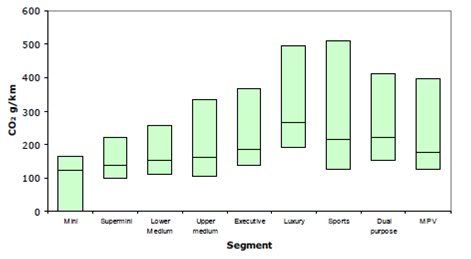
Average emissions have dropped by over 5g/km in the past year, continuing a trend that's seen CO2 plummet by over 30g/km in the last ten years. 2008's figures show a significant fall however, suggesting that the current economic climate, the spike in the price of fuel last year and purse-strings generally being tightened across the country are resulting in people buying much more economical cars than they may have in more favourable times. The figures have been outlined by the Society of Motor Manufacturers and Traders (SMMT) More of the results are illustrated below.

(Images: SMMT)

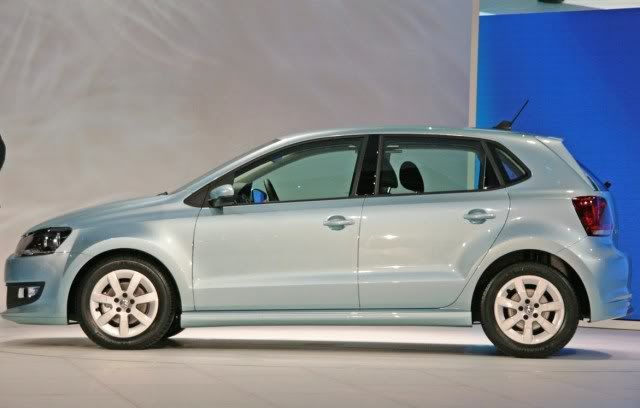
The trend can also be attributed to the huge efforts that manufacturers have made in recent years too. BMW recently launched their 116d, the most fuel efficient BMW currently available, capable of over 50mpg and with CO2 emissions as low as 118g/km. Many companies now offer stop-start technology which significantly reduces fuel consumption in city traffic, and companies like Mazda with their 2 and Volkswagen with their upcoming new Polo have worked hard to reduce weight, allowing smaller and more efficient engines to be used without compromising on performance. Volkswagen recently unveiled the new Polo Bluemotion concept at the Geneva Motor Show, which sips a gallon of fuel as infrequently as every 85 miles. It also manages to look very handsome indeed.

With cars such as these, expect the current trend to continue.

(Image: AutoBlogGreen)

Thursday, January 29, 2009

72mpg from a Toyota iQ

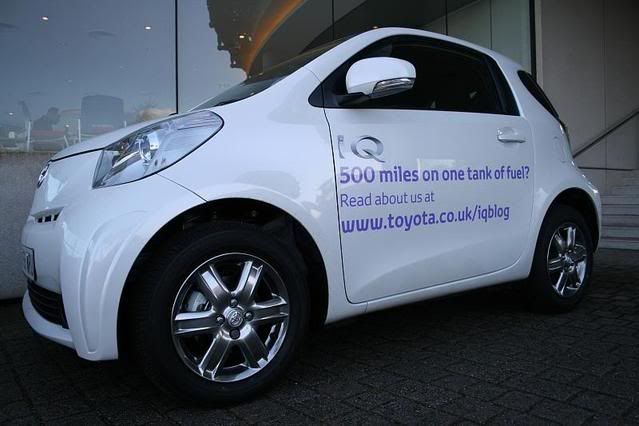
Living up to manufacturer's fuel efficiency claims is something that cars generally struggle to do. There are exceptions to every rule however, and the Toyota iQ has become one of those exceptions with a small team managing to go 504.2 miles on 32 litres of petrol. This equates to 72mpg, when Toyota officially quote 65.7mpg. They managed to visit 19 British cities along the way. The half-way blog post is here and the start of the challenge is here. If the petrol iQ is capable of this much, one must wonder how much a diesel model could achieve...

The hypermiling iQ (Photo credit: ThisisiQ)

This shows what can be achieved not only by Toyota's impressive little city car, but also by careful driving technique. Doubtless many cars are capable of matching their claimed economy figures, but potentially hampered by the person behind the wheel.

Tuesday, December 23, 2008

Merry Christmas, and a happy New Year

Just a brief message to wish all of Tarmac's readers a great Christmas and as I'm unlikely to post again before January, a happy and productive new year.

Next year, I hope to offer you more regular posting, more discussion on cheap motoring and ecological and environmental motoring issues, many more motoring show reports, and even (if all goes well) the occasional relevant road tests.

I leave you in 2008 with one of my favourite static photographs of the year, and the closest I could get to an automotive Christmas tree...

Photograph ©Tarmac 2008

Sunday, November 2, 2008

£1500, fun and 30mpg plus... what would you buy?

It's a good question, isn't it? Particularly if, like me, you happen to have that budget, and those requirements from a car. £1500 gets you a surprising amount these days, anything from tidy superminis, MPVs and third-hand family cars to classic roadsters, hot hatches and sports saloons. Some will make great runarounds or first cars and others fun weekend toys.

But, if you're like me (young, skint, and like a bit of fun from your car now and then) you might find your choice rather more limited. Sure, you can find plenty of old hot hatches at this price, but unfortunately many have been ragged to within an inch of their lives by now, and insurance is still very expensive even with a few years no-claims behind you. Such is the plight of the young driver.

However, hope is in store. There are still choices out there, if you look hard enough, that will provide you with fun and reliable motoring, but importantly, not emptying your wallet come renewal time or at the pumps. With fuel prices as they are, easily doing more than 30mpg is virtually essential nowadays. Below is a selection of cars that meet the above criteria. What would you buy?

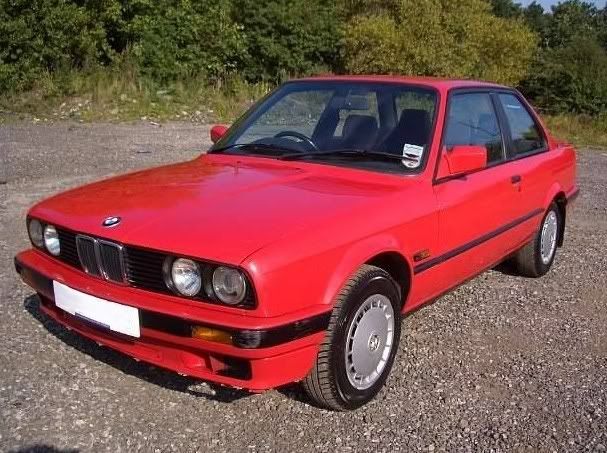
BMW 316i/318i (E30)
The E30 3-series is slowly becoming a collectors' item. Partly due to it being an important model for the marque, and partly to ensure the survival of original cars before they're all snapped up by the tuning brigade. The 316i and 318i aren't the fastest, but they are both cheap to run and the £1500 budget will get a model in very nice condition. A bit of rear-wheel drive fun to start the list.

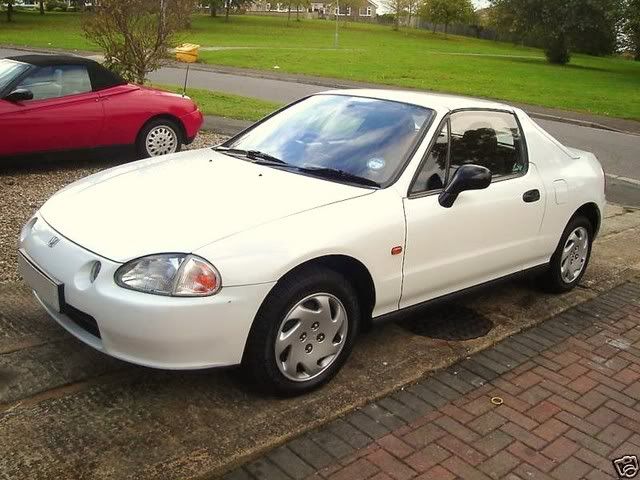
Honda CRX ESi (3rd gen)
Having seen the success of Mazda's MX5, Honda decided to make their own sports car based on the Civic. It wasn't as light and loony as the model that preceded it, but it has it's own character and roof-out fun. The ESi has roughly 120bhp, does almost 40mpg and is much cheaper to insure than the screaming VTi.

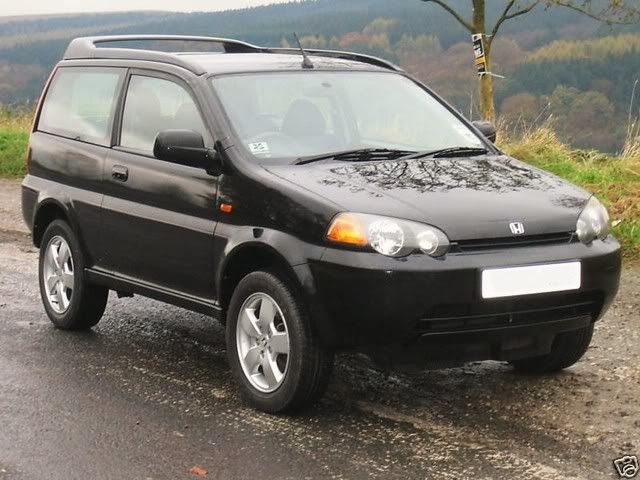
Honda HR-V
A choice from way out at left-field here. You might not have expected to see a small 4x4 here - after all, they're not known for their great fuel economy or fun. Yet Honda were singing from a different hymn book with the HR-V - not only does it do at least 33mpg, but it's also supposed to be good fun to throw about.

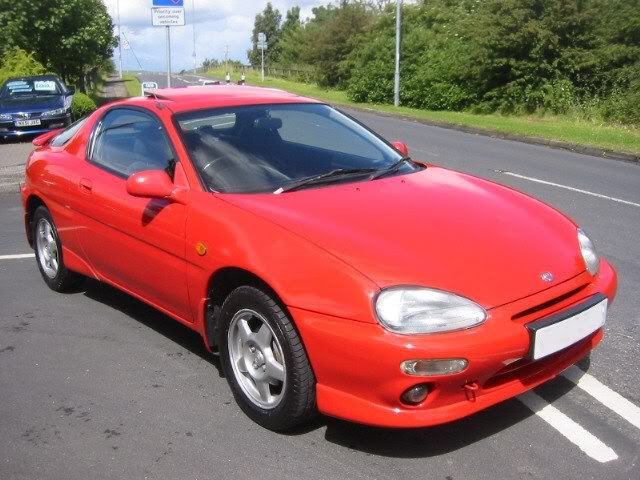
Mazda MX-3 V6
Mazda's coupe has managed to avoid the general public's consciousness thus far (thanks to more popular choices like Ford's Puma and Renualt's Megane Coupe), making it a great second-hand choice with low prices. The V6 engine sings yet manages mid-thirties mpg, and the cars seem generally well built and reliable.

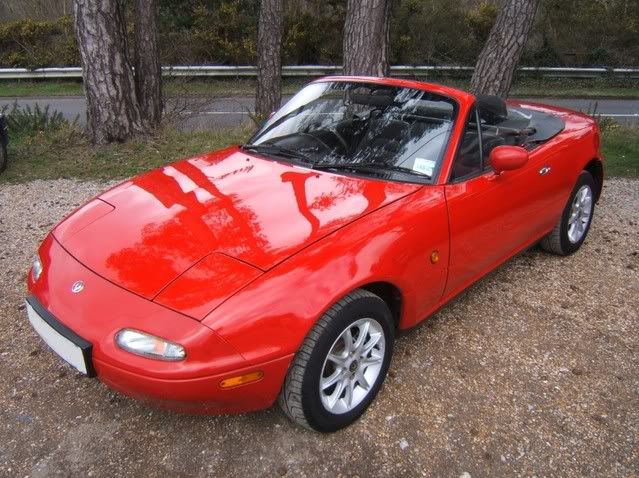
Mazda MX-5 mk1
Another small Mazda, but one you've heard of this time. £1500 is remarkably little to buy a classic, but it's achievable with the MX5, and it's going to buy you a whole bundle of affordable fun. Ignore the hairdresser jibes - anyone who's driven one will tell you it's impossible to have perfect coiffure after five minutes with the hood down...

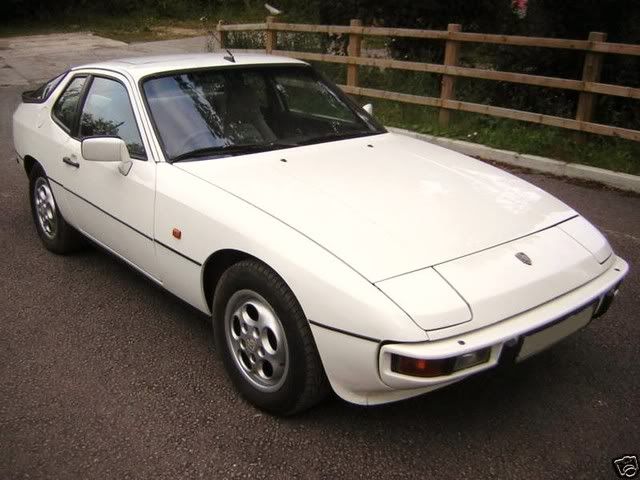
Porsche 924
You what? A Porsche for how much? It was always designed to be affordable and now you can buy one for pocket money. It isn't, as you might have heard, equipped with a van engine - it was an Audi engine that was tuned for use in the 924 and detuned for use in a VW van. Owners report 30mpg, and £1500 should get a nice one.

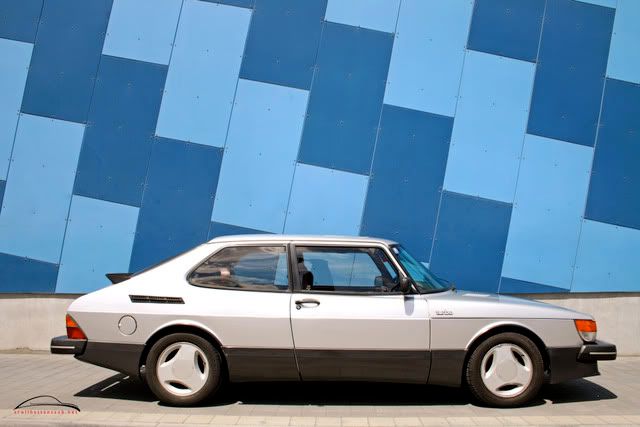
Saab 900 T16
Turbo lag and torque steer. Right, now the stereotypes are out of the way, we can appreciate the car's unusual styling, great seats, bucketfulls of character and great performance. Not only that, but many insurers consider it a classic now, so you might be able to benefit from cheap classic insurance.

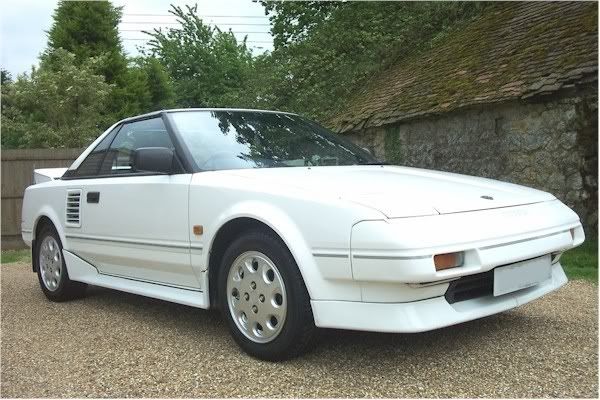
Toyota MR2 mk1
Rumor has it that the MR2 project was initially developed with Lotus, but Mazda took the project on fully when Lotus had financial issues and abandoned their share. So if you squint a bit, you're looking at an 80s Lotus Elise. Maybe. Either way, it's a brilliant drivers car which does mid-30s mpg. You may have to look hard for one untainted by rust, however.

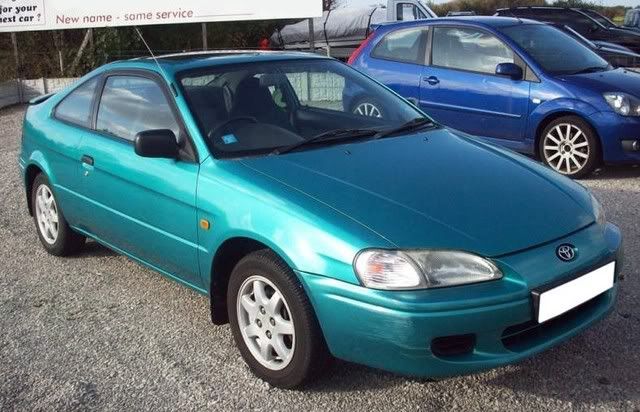
Toyota Paseo
Even less known than the Mazda MX-3, and arguably not as special, but with 40mpg easily achievable it has it's own merit. And of course, being a Toyota, it'll last for ever, and ever, and ever. It enjoys a very low insurance group as well, and should be fun, if not up to Ford Puma levels.
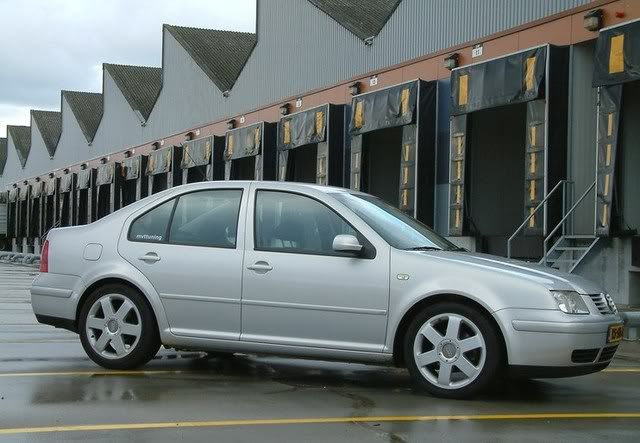
Volkswagen Bora Tdi
Although a small saloon seems a bit incongruous next to small sports cars, coupes and hatches - especially a diesel one - the Bora represents brilliant value for money. It's cheaper than the equivalent Golf both to buy and insure, yet shares the same great engines and build. The diesels get an easy 50mpg and can be tuned very easily for much more power and torque.

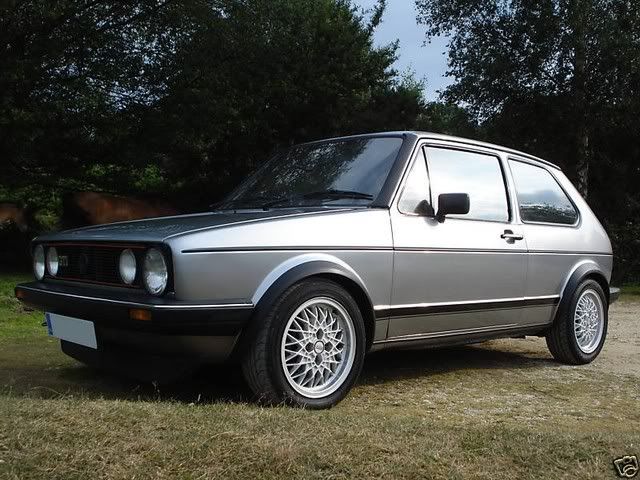
Volkswagen Golf GTI mk1
My final suggestion is, undoubtably, a classic. If you want to spend £1500 on one, do it now because they're unlikely to stay at that price as they become more scarce and more popular for restoration. Manages 35mpg and faster to 60mph than the standard mk4 Golf GTI. Cheap to insure on classic insurance, too.

An eclectic mix then, and perhaps a bit more interesting than your average hot hatch, yet likely to provide many miles of reliable, economical and fun motoring. If you're lucky, you may even find a little practicality to add to the mix. £1500 really does get you a lot of car.

Saturday, July 12, 2008

VW "one-litre" finally in the pipeline

I'm a few days late onto the scene with this one but I felt it an important way to start this blog, with a significant eco-focused project.

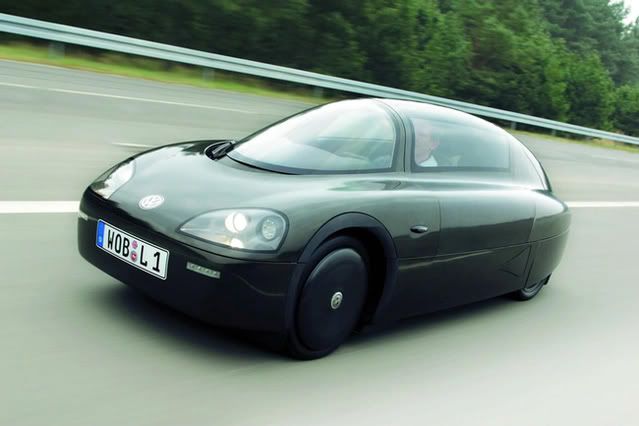
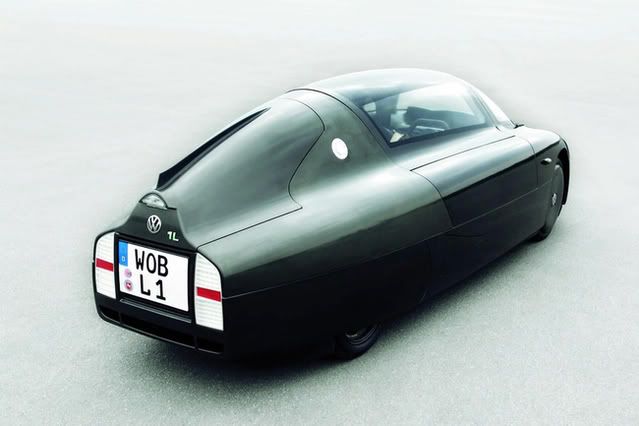
Volkswagen have decided to produce a limited run of a car very similar to their "one-litre" concept released in 2002, according to news on Car Magazine online. Production is likely to begin in 2010.

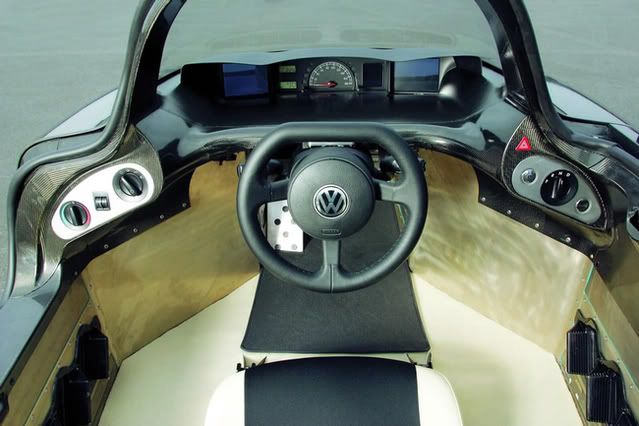
The original concept was capable of a staggering 282mpg, equivalent to the European measure of fuel consumption recording one litre of fuel for every 100km travelled (actually 0.99 litres but who's counting?), hence the name. The engine itself is rather less than one litre, displacing 299cc of pure diesel-fuelled economy and a less than headline-grabbing 8.5bhp. Thanks to the slippery aerodynamics and 300kg kerb weight, it can still hit around 75mph though it'll take a while to get there.

The production version is likely to use a more torquey and powerful twin cylinder turbodiesel engine, which will also provide more refinement than the single in the original concept. Just as well, considering magazines reported the original engine idled at 1400rpm and rattled to high heavens. Because of the change don't expect the same 282mpg of the original, but do expect it to be vastly more economical than any other production car available on the market.

According to Car, it's likely to be produced in limited numbers by Volkswagen's own prototype shop. The wait till 2010 has been necessary to let the price of producing the carbon monocoque fall, though don't expect the finished car to be available for less than €20,000 (£16,000) and it could be as high as €30,000 (£24,000). Due to the need for light weight you won't be getting much equipment with the car either, so until the concept is more economically viable (no pun intended) it's likely only to attract fairly well-off consumers, and probably a raft of headlines.

Well done to Volkswagen for going ahead with this project. Hopefully it will encourage other companies to follow suit and have the courage to produce cars that give out the message that clever technology and simple concepts are the way forward.

Images: Volkswagen